
Calendar Search Results: i was at
 December 25, 1973 The Sting, a crime caper starring Paul Newman and Robert Redford as con men in 1930s Chicago, debuts in theaters. With Scott Joplin's "The Entertainer" as its theme, the film's soundtrack goes to #1 and revives the ragtime genre.More
November 3, 1973 Daryl Hall and John Oates release Abandoned Luncheonette, their first album under their own names (a previous album was released as "Whole Oates"). The tracks "Laughing Boy," "She's Gone" and "Las Vegas Turnaround (The Stewardess Song)" become concert favorites for the duo.
October 24, 1973 John Lennon sues the US Government alleging that he and his lawyer were bugged and wiretapped while he was fighting deportation and during the government's investigation of "radical" antiwar elements in society.
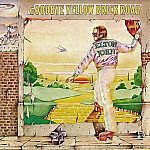 October 5, 1973 Elton John releases Goodbye Yellow Brick Road, his most successful studio album.More
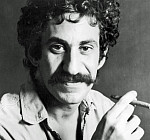 September 20, 1973 Jim Croce is killed in a plane crash in Natchitoches, Louisiana, at age 30. More
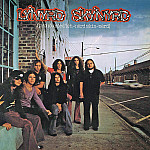 August 13, 1973 Lynyrd Skynyrd release their debut album, Pronounced 'Lĕh-'nérd 'Skin-'nérd. It's an impressive set, containing the Skynyrd classics "Tuesday's Gone," "Simple Man" and "Free Bird."More
July 3, 1973 At the Hammersmith Odeon in London, David Bowie appears as Ziggy Stardust for the last time, explaining: "Not only is this the last show of the tour, but it's the last show that we'll ever do." Many take this to mean Bowie was retiring from music altogether, though Bowie just means he is retiring Stardust. This show is later made into a movie directed by D.A. Pennebaker called Ziggy Stardust and The Spiders From Mars.
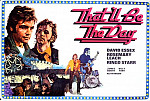 May 13, 1973 The movie That'll Be The Day, starring David Essex, Ringo Starr, Keith Moon, Billy Fury and John Hawken of The Nashville Teens opens in the UK.More
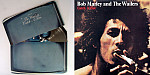 April 13, 1973 The Wailers, led by Bob Marley, release their fifth studio album, Catch a Fire. The first album on their new label, Island Records, it makes Marley and the Wailers international recording stars and brings reggae music to the forefront.More
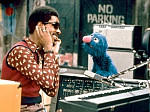 April 12, 1973 In one of the show's most memorable moments, Stevie Wonder plays a funky, 7-minute live version of "Superstition" on Sesame Street.More
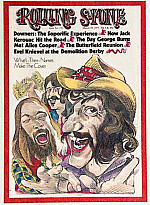 March 29, 1973 Dr. Hook & The Medicine Show, who have a hit with "The Cover Of 'Rolling Stone'," appear on the cover of Rolling Stone magazine.More
March 17, 1973 The sci-fi musical Lost Horizon, scored by Burt Bacharach, bombs at the box office. The failure precipitates Bacharach's split from longtime songwriting partner Hal David and Dionne Warwick, who had performed their songs for more than a decade.More
March 8, 1973 Grateful Dead keyboard player Ron "Pigpen" McKernan, a founding member of the band, dies at age 27.More
February 9, 1973 Max Yasgur, who owned the farm in upstate New York where the 1969 Woodstock festival was held, dies of a heart attack at age 53.
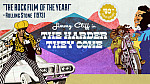 February 8, 1973 The Jamaican cult classic film The Harder They Come is released in the US.More
December 31, 1972 Dick Clark begins a new holiday tradition as his first New Year's Rockin' Eve concert is broadcast on NBC; guests include Three Dog Night and Al Green.More
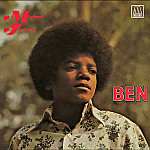 October 14, 1972 Michael Jackson's "Ben," a song about a boy and his love for a pet rat, hits #1 in the US.More
September 3, 1972 The Temptations sing, "It was the 3rd of September, that day I'll always remember" in their song "Papa Was A Rollin' Stone."
 August 20, 1972 Stax Records commemorates the seventh anniversary of the 1965 Watts riots with a star-studded benefit concert at the Los Angeles Memorial Coliseum. More than 100,000 fans show up to hear Isaac Hayes, The Bar-Kays, The Staple Singers, and Kim Weston, among others, perform at what becomes known as Wattstax.More
July 16, 1972 Smokey Robinson performs his final show with The Miracles at the Carter Barron Amphitheater in Washington, DC. At the end of the show, Smokey introduces his replacement, 20-year-old Billy Griffin.
June 10, 1972 Sammy Davis, Jr.'s "The Candy Man" hits #1 in America and stays for three weeks. The song debuted a year earlier in the movie Willie Wonka And The Chocolate Factory, sung by the candy store owner character. Davis wanted nothing to do with it but was convinced to record it. To his chagrin, it became his signature song.
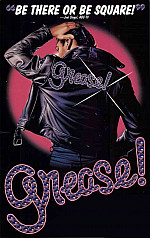 June 7, 1972 The musical Grease opens on Broadway.More
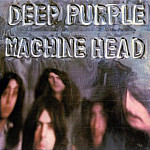 March 25, 1972 Deep Purple's album Machine Head is released in America. Most of it was recorded in their hotel after the Montreux Casino, where they planned to record it, burned down, a story told in the song "Smoke On The Water."More
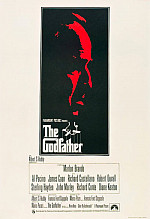 March 24, 1972 The Godfather opens in theaters. Musically significant because the character Johnny Fontane is supposedly based on Frank Sinatra, and because "Godfather of..." becomes a common musical honorific.More
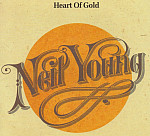 March 18, 1972 Neil Young's "Heart Of Gold," with backing vocals by James Taylor and Linda Ronstadt, goes to #1 in the US.More
February 19, 1972 The BBC bans Paul McCartney's "Give Ireland Back To The Irish." The song was inspired by an incident that occurred on Jan. 30, 1972, when British soldiers open fire on 26 unarmed civilians during a peaceful protest march in Derry, Northern Ireland, resulting in 14 deaths.
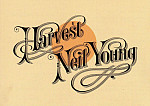 February 1, 1972 Neil Young releases the album Harvest, with the hit "Heart of Gold."More
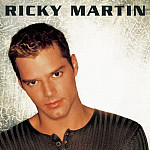 December 24, 1971 Ricky Martin is born Enrique Martin Morales in San Juan, Puerto Rico.More
December 10, 1971 At the "Free John Sinclair Rally" in Ann Arbor, Michigan, John Lennon debuts his new song, fittingly called "John Sinclair." Stevie Wonder, Bob Seger and Phil Ochs also appear at the rally, which is an effort to get Sinclair, who was sentenced to 10 years in prison for possession of two marijuana joints, out of jail. Sinclair was released two days later.
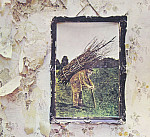 November 8, 1971 Led Zeppelin IV - the one with "Stairway To Heaven" - is released.More
©2026 Songfacts®, LLC