
Timeline : John Lennon
At the "Free John Sinclair Rally" in Ann Arbor, Michigan, John Lennon debuts his new song, fittingly called "John Sinclair." Stevie Wonder, Bob Seger and Phil Ochs also appear at the rally, which is an effort to get Sinclair, who was sentenced to 10 years in prison for possession of two marijuana joints, out of jail. Sinclair was released two days later.
John Lennon releases "Happy Xmas (War Is Over)" in the US. An anti-war Christmas song with the chorus "War is over, if you want it," the song endures as a holiday favorite.
John Lennon's US visa expires, sparking a four-year fight for immigrant status.
Doing a week-long stint as guest host of the Mike Douglas Show, John Lennon performs "Memphis" and "Johnny B. Goode" with Chuck Berry, whom Lennon refers to as "my hero."
John Lennon and Yoko Ono begin their week-long stint as guest hosts on the syndicated Mike Douglas Show.
John Lennon releases the controversial song "Woman Is The Ni--er Of The World." It was his wife, Yoko Ono, who came up with the title. The song is about how women aren't valued like the should be.
John Lennon and Yoko Ono release the politically charged album Some Time In New York City, inspired in part by their move to New York a year earlier. It's poorly received, especially in America where it peaks at #48.
John Lennon and Yoko Ono play two benefit concerts (an afternoon and evening show) at Madison Square Garden in New York City. They're Lennon's only full concerts in his post-Beatles career.
John Lennon and Yoko Ono release Some Time In New York City in the UK.
John Lennon releases "Mind Games" and the LP of the same name in the US.
John Lennon sues the US Government alleging that he and his lawyer were bugged and wiretapped while he was fighting deportation and during the government's investigation of "radical" antiwar elements in society.
John Lennon begins his "Lost Weekend," which lasts 18 months. Separating from Yoko, he goes on an extended bender, often joined by his friend Harry Nilsson.
John Lennon and Harry Nilsson get drunk and disorderly at a Smothers Brothers comedy show at the Troubadour in Los Angeles. They get thrown out, and Nilsson takes heat in the press for being a bad influence on Lennon. Said Nilsson: "It ruined my reputation for 10 years. Get one Beatle drunk and look what happens."
Reinforcing his anti-establishment beliefs, the US denies renewal of John Lennon's visa based on a drug possession conviction in England four years earlier. The matter is sorted out and an international incident averted.
John Lennon releases Walls And Bridges. The album includes the chart-topping hit "Whatever Gets You Thru The Night," which features a guest appearance by Elton John, and the Top-10 single "#9 Dream."
John Lennon releases "Whatever Gets You Thru The Night" in the US. The track features Elton John on backing vocals and keyboards.
John Lennon makes his last concert appearance when he joins Elton John on stage at Madison Square Garden, reciprocating for Elton's appearance on "Whatever Gets You Thru The Night" and making good on a bet he lost: Elton wagered that "Whatever Gets You Thru The Night" would hit #1 in the US, and when it did, Lennon owed the appearance. The pair perform that song and also do The Beatles' "I Saw Her Standing There" and "Lucy in the Sky With Diamonds."
John Lennon's album Walls And Bridges and single "Whatever Gets You Thru The Night" hit #1 in America. Elton John, who sang and played piano on the track, had bet Lennon that it would hit the top spot. As the bet's loser, Lennon has to join Elton on stage at a Madison Square Garden concert, which he does on November 28 to a manic ovation.
After record executive Morris Levy releases an album called Roots - John Lennon Sings The Great Rock & Roll Hits without Lennon's permission, Capitol Records rush releases John Lennon's Rock and Roll album, which contains the completed versions of the songs. Lennon had given Levy some master tapes from the sessions as part of compensation for using a Chuck Berry lyric in "Come Together": "Here come old flat-top, he come groovin' up slowly."
John Lennon's cover of "Stand By Me" reaches #20 in the US.
David Bowie releases "Fame," featuring John Lennon on backing vocals. It become Bowie's first #1 hit in the US.
John Lennon releases the compilation album Shaved Fish in the US. It's the first album to feature Lennon's 1971 holiday single "Happy Xmas (War Is Over)."
On father John Lennon's 35th birthday, Yoko Ono gives birth to Sean Ono Taro Lennon (Sean Lennon), who becomes a musician, playing a number of instruments and also producing tracks for Lana Del Rey and Soulfly.
The US Court of Appeals overturns the longstanding deportation order for John Lennon, ruling that Lennon, in being held accountable for violating a foreign law (a 1968 rap for possession of marijuana in England), had been denied due process.
John Lennon ends his four-year fight to stay in the US as a special government hearing grants him a green card (Registration Number A17-597-321).
John Lennon releases Double Fantasy. A few weeks later, he is shot and killed, and the album quickly goes to #1 in many countries.
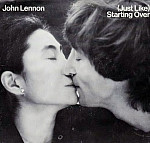 Weeks after his death, John Lennon's "(Just Like) Starting Over" goes to #1 in America.More
"(Just Like) Starting Over" gives John Lennon his first #1 single as a solo artist in the UK, 12 days after his murder.
At Yoko Ono's request, a 10-minute worldwide silent vigil takes place at 2:00 p.m. EST for John Lennon, who was shot and killed six days earlier. Lennon was cremated without a funeral, so the vigil is the public outpouring of support and mourning. A large crowd gathers in Central Park near where Lennon lived with Yoko to take part; this becomes a tradition on each anniversary of Lennon's death.
John Lennon's body is cremated. There is no funeral, but a worldwide vigil is held four days later.
©2026 Songfacts®, LLC