
20 JUNE
Featured Events
1995 George Jones and Tammy Wynette, who divorced in 1975 after six years of marriage, release an album together called One and also go on tour.
1995 Michael Jackson's ninth album, HIStory: Past, Present and Future, Book I, is released. MTV becomes "MJTV" for a week to celebrate.
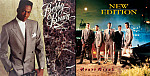 1988 MCA Records issues landmark albums by two of their hottest young R&B acts: Bobby Brown's Don't Be Cruel and New Edition's Heart Break.More
1972 The Tallahatchee Bridge in Money, Mississippi, made famous in Bobbie Gentry's "Ode To Billie Joe," collapses (it is later rebuilt).
 1949 Lionel Richie is born in Tuskegee, Alabama. He becomes a member of the Commodores before finding fame as a solo artist.More
1942 Brian Wilson of The Beach Boys is born in Inglewood, California. The main songwriter in the group, his early songs focus on surfing and fun, but in the mid-'60s he makes complex, groundbreaking music exemplified by "Good Vibrations," which he recorded using dozens of musicians over 17 sessions.
20 JUNE
In Music History
2025 The animated movie KPop Demon Hunters debuts on Netflix with a soundtrack loaded with K-pop songs made by the same people responsible for the likes of BTS and Blackpink. The songs amass billions of streams, and "Golden," sung by the demon hunters Huntr/x, goes to #1 in America.
2014 The BBC screens the documentary Billy Joel: The Bridge To Russia about his 1987 tour in the Soviet Union.
2012 The film Abraham Lincoln: Vampire Hunter sees its theatrical release in the United States, notable in the music world for having "Powerless" by Linkin Park playing over the end credits.
2006 Billy Preston's funeral is held at the Faithful Central Bible Church in Inglewood, California. Among the mourners are Little Richard, Andrae Crouch, Della Reese, The Temptations' Ali-Ollie Woodson and Joe Cocker, who sings his Preston-penned hit "You Are So Beautiful."More
2004 Paul McCartney performs his 3,000th live show, in Saint Petersburg, Russia.
2003 For his 54th birthday, Lionel Richie receives a special gift: a star on the Hollywood Walk of Fame. According to Richie, the star's location on Hollywood Blvd. isn't far from the Holiday Inn where The Commodores stayed on their first trip to LA while recording their debut album.
2001 The Cult return with their seventh studio album, and first new recording in seven years, Beyond Good and Evil.
2000 Deftones release their third album, White Pony. An aural journey into darkness, it holds up as one of the best metal albums of its time and earns the band their only Grammy Award: Best Metal Performance for the song "Elite."
1997 Lawrence Payton (tenor vocalist of The Four Tops) dies of liver cancer in Southfield, Michigan, at age 59.
1992 Mariah Carey's cover of the Jackson 5 classic "I'll Be There" goes to #1 in America. Recorded for her MTV Unplugged special, it's the first song from the MTV acoustic showcase to become a hit. A few months later, Eric Clapton has a hit with his Unplugged version of "Layla."
1988 Saxon release their Destiny album on the EMI label.
1983 Grace Potter is born in Waitsfield, Vermont. While attending St. Lawrence University in New York in 2002, she meets drummer Matt Burr during a campus open-mic in and they form a rock band that evolves into Grace Potter And The Nocturnals.
1981 Gary U.S. Bonds, last seen on the Hot 100 in 1962, reaches #11 with "This Little Girl," written for him by longtime admirer Bruce Springsteen.
1978 Foreigner release their second album, Double Vision. Hits from the set include the title track and "Hot Blooded."
1975 John Travolta makes his film debut as a Satanist in the horror flick The Devil's Rain, starring William Shatner. Just two years later, Travolta struts his stuff in Saturday Night Fever.
Bob Dylan Releases Blonde On Blonde, The First Double Album In Rock
 1966
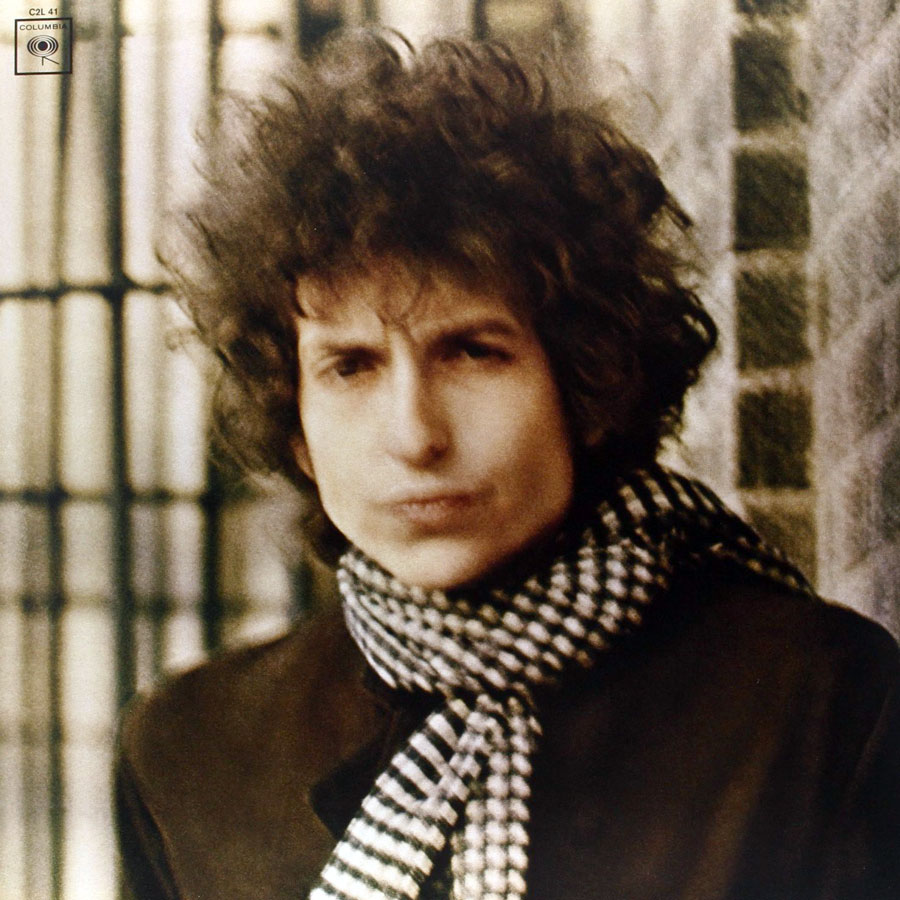
1966Bob Dylan releases the "thin, wild mercury" sound of Blonde on Blonde, rock's first double album. Minds are blown.
Note: bobdylan.com and most publications listed May 16, 1966 as the release date for Blonde On Blonde, but that has been disproven. There is no definite source for the actual release date, but June 20, 1966 is now widely accepted as the most likely date of the album's release . Blonde on Blonde is Dylan's seventh studio album released in less than five years of recording. The album is viewed by many as the peak of Dylan's creative genius and the culmination of the wild experimentation and prophetic lyrical potency that had been building with the two previous albums, Bringing It All Back Home and Highway 61 Revisited. Dylan says the album is the closest he has ever come to the "thin, wild mercury sound" he hears in his head. It shows influences of Memphis and Chicago blues, New Orleans processionals, pop, and good ol' rock and roll. The title comes from some free association between Dylan, Al Kooper, and others during a mixing session in the studio. Dylan says it has no particular meaning, although the first letters of each word spell out "Bob," and that the title resembles Brecht on Brecht, a play by Bertolt Brecht. Reactions suggest that Dylan has transcended the status of mere entertainer and become an almost mystical icon. Paul Nelson states, "Dylan in the end truly UNDERSTANDS situations, and once one truly understands anything, there can no longer be anger, no longer be moralizing, but only humor and compassion, only pity." The albums' cover features a blurred image of Dylan that many attribute to a hint at drug use. Photographer Jerry Schatzberg, however, claims it is simply a result of he and Dylan shaking on the cold street while taking the shot. Blonde on Blonde reaches #9 on the US Albums chart and #3 in the UK on its way to going double platinum. "Rainy Day Women #12 And #35" and "I Want You" hit the US Top 20. "Just Like A Woman" and "Visions Of Johanna" (of which Dylan says he'd "never done anything like that before") go on to become two of his most critically lauded songs. Years later, Andrew Motion, Britain's Poet Laureate, will call "Visions of Johanna" the greatest song lyric ever written. Side 4 of Blonde on Blonde features a single song, the 11+ minute winding, poetic odyssey that is "Sad Eyed Lady Of The Lowlands," which was recorded in a single take at 4 o'clock in the morning with the backing musicians having never rehearsed it and not knowing how or when it was going to end. The album's unique sound is largely credited to Dylan's orders to have tall dividers called "bafflers" taken out. These barriers usually separate the musicians working in studio, but their removal creates a spontaneous, collaborative atmosphere that shows up in the music. Blonde on Blonde mostly features songs recorded in Nashville, Tennessee, which has a very orthodox music culture very different from the one Dylan is used to working in. Al Kooper, who played a critical role in translating Dylan's plans during the recording of Blonde on Blonde, states, "[Bob Dylan] was the quintessential New York hipster - what was he doing in Nashville? It didn't make any sense whatsoever. But you take those two elements, pour them into a test tube, and it just exploded." The album proves to be a revolutionary work that raises the stakes for the popular music of the day, making even established musicians of the time more ambitious in both their sounds and their themes.
Categories
©2026 Songfacts®, LLC
Comments
send your comment