
Calendar Search Results: y o u t u b e r
October 7, 1976 Dennis Edwards announces he is leaving The Temptations. Four years later, he would rejoin for the group's successful Power album.
September 13, 1976 Lynyrd Skynyrd release their first live album, One More from the Road. It's the only live album the band releases before a 1977 plane wreak ends the original lineup and puts the band out of commission entirely for fourteen years.
September 6, 1976 Dean Martin and Jerry Lewis reunite after 20 years on Lewis' Labor Day Telethon to benefit the Muscular Dystrophy Association. Frank Sinatra surprises Lewis by bringing out Martin.More
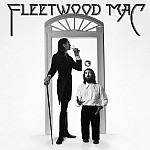 September 4, 1976 Fleetwood Mac's self-titled album makes #1 a year after its release, knocking off Peter Frampton's Frampton Comes Alive. It's the band's first album with Lindsey Buckingham and Stevie Nicks.More
September 4, 1976 "You Should Be Dancing" by the Bee Gees goes to #1 in America. The next year, it is used in the Saturday Night Fever scene where John Travolta clears the dance floor.
September 1, 1976 West Coast musical impresario Lou Adler and his right-hand man, Neil Silver, are kidnapped in Los Angeles by a couple who ransom them for $25,000. The couple are caught within the week, but an accomplice flees and is never caught.
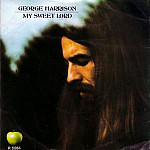 August 31, 1976 George Harrison is found guilty of "subconscious plagiarism" in a bizarre lawsuit that leaves songwriters baffled.More
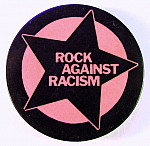 August 29, 1976 The British music magazine Sounds publishes letters responding to Eric Clapton's racist rant at his Birmingham concert earlier in the month. "Own up, half your music is black," one of them states. "You are rock music's biggest colonist."
This particular missive includes a call to action with an address to join Rock Against Racism, "A rank and file movement against the racist poison in rock music." Rock Against Racism soon becomes a viable movement, holding a series of concerts and festivals in support of tolerance.More
August 29, 1976 The British music magazine Sounds publishes letters responding to Eric Clapton's racist rant at his Birmingham concert earlier in the month. "Own up, half your music is black," one of them states. "You are rock music's biggest colonist."
This particular missive includes a call to action with an address to join Rock Against Racism, "A rank and file movement against the racist poison in rock music." Rock Against Racism soon becomes a viable movement, holding a series of concerts and festivals in support of tolerance.More
August 29, 1976 At a concert in Santa Monica, California, Neil Young joins Firefall on stage, who are opening for Spirit. When the headliners take the stage, Spirit's bass player asks Young to join them, but when he does, Spirit's frontman Randy California pushes him off the stage to the horror of his bandmates, who stop playing and leave.
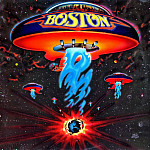 August 25, 1976 Boston release their self-titled debut album, which despite being mostly recorded in Tom Scholz' basement studio, becomes one of the best-selling debuts of all time.More
August 21, 1976 Lynyrd Skynyrd, Todd Rundgren, 10cc and The Rolling Stones play the Knebworth festival in England.
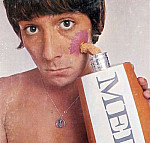 August 11, 1976 Keith Moon trashes a hotel room - no surprise there. But this time The Who drummer is hospitalized after beating up his room at the Fontainebleau Hotel in Miami.More
August 11, 1976 With the help of some weed and tequila, Neil Young records an album's worth of songs in a single evening at Indigo Ranch Recording Studio in Malibu, California. Featuring "Pocahontas" and "Powderfinger," the album is buried by record executives until September 8, 2017, when it's released under the title of Hitchhiker.
July 31, 1976 The jazzy George Benson interrupts the reign of Frampton Comes Alive! to claim the top spot on the US albums chart with Breezin', which includes his hit "This Masquerade."
July 27, 1976 John Lennon ends his four-year fight to stay in the US as a special government hearing grants him a green card (Registration Number A17-597-321).
July 16, 1976 After six years, Kenny Loggins and Jim Messina decide to split up their partnership, which had three big hits in "Thinking Of You," "My Music," and "Your Mama Don't Dance."
July 16, 1976 Driven by discord after Gregg Allman testified against the band's road manager, The Allman Brothers announce their breakup. Gregg records and album with his wife, Cher, and Dickey Betts forms Great Southern. The band reunites in 1978.
July 4, 1976 The Buzzcocks play live for the first time, opening for The Sex Pistols at the Black Swan in Sheffield, England. They make their mark as one of the more melodic and cerebral punk bands to come of out the UK, and also one of the most enduring; after a breakup in 1981, they re-form in 1989 and remain active for decades.
June 29, 1976 The Memphis City Council votes to change Elvis' home street, Highway 51 South, to "Elvis Presley Boulevard."
June 23, 1976 Paul McCartney wraps up the Wings Over America tour at the Forum in Los Angeles, marking the last time the ex-Beatle tours until 1989.
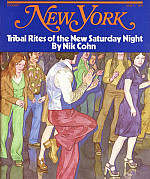 June 7, 1976 New York magazine runs a cover story called "Tribal Rites of the New Saturday Night," describing the disco-fueled nightclub scene. The article gives Bee Gees manager Robert Stigwood the idea for Saturday Night Fever.More
June 4, 1976 Blondie, Mink DeVille, Talking Heads, Laughing Dogs, and Tuff Darts play a show at CBGB that is packaged in the album Live At CBGB'S New York. The grimy club has become the mecca of the burgeoning punk/new wave scene in the city.
June 4, 1976 The Sex Pistols play a show at Lesser Free Trade Hall in Manchester. Inspired by the gig, many in the audience form bands, propelling the nascent punk rock scene.More
June 1, 1976 The Runaways release their eponymous debut album. Billed as the first all-female hard-rock band, the disc has little domestic success, peaking at #194, but the band are hugely successful in Japan, hitting the #1 spot with their single "Cherry Bomb."
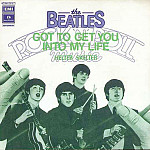 May 31, 1976 Ten years after it appeared on The Beatles' Revolver album, Capitol Records issues "Got To Get You Into My Life" as a single in America.More
May 28, 1976 Gregg Allman testifies against The Allman Brothers Band's road manager/bodyguard Scooter Herring in a deal to avoid drug charges after a drug-trafficking sting. This causes tensions in the band, who take two years off before re-forming.
May 21, 1976 Blue Öyster Cult release their most popular album, Agents Of Fortune. Thanks to "(Don't Fear) The Reaper," it sells over a million copies in America.
May 8, 1976 Carly Simon becomes the first Saturday Night Live musical guest who doesn't play live when a bout of stage fright keeps her from going on. Instead, NBC runs prerecorded renditions of "You're So Vain" and a new song called "Half A Chance."
May 3, 1976 Paul McCartney opens his first US tour with Wings as the massively successful Wings Over America tour begins in Fort Worth, Texas.
April 30, 1976 Human rock stereotype Keith Moon of The Who adds to his legend when he pays nine New York City cab drivers $100 each to block both ends of a street so he can throw furniture out of his room at the Hotel Navarro. Details of this story may have been exaggerated or embellished, but it is consistent with his behavior.
©2026 Songfacts®, LLC