
Calendar Search Results: on about
May 16, 1970 Crosby, Stills, Nash & Young land their first US #1 album when Deja Vu hits the top spot. Tracks include "Teach Your Children," "Our House" and "Woodstock," a song written about the festival by Joni Mitchell.
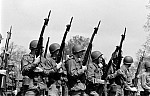 May 4, 1970 Later memorialized in the Neil Young song "Ohio," the Ohio National Guard fires on protesters at Kent State University, killing four students, two of whom weren't even protesting. This shameful event in American history leads to the formation of Devo, as Mark Mothersbaugh and Jerry Casale are both on campus and horrified by the events.More
April 25, 1970 After a show in Nashville, James Brown takes his band directly to a nearby studio and records "Get Up (I Feel Like Being a) Sex Machine." It's the first recording with his new band, which he hired in March when his previous group complained about how they were treated. The bass player is 18-year-old Bootsy Collins, who later joins the P-Funk family.
 April 10, 1970 In publicity materials released to promote his first solo album, McCartney, Paul McCartney indicates that he's done with The Beatles. Paul's comments in the press release are considered official confirmation that the band has broken up.More
March 9, 1970 Shortly before a show in Columbus, Georgia, James Brown replaces most of his band (including Fred Wesley and Maceo Parker), which had complained about working conditions and pay, with a young group from Cincinnati led by the brothers Bootsy and Catfish Collins. It's rough going at first, but the band eventually conforms to Brown's vision and leads him into a new era. Brown calls these guys "The New Breed," and later, "The J.B.'s."
December 6, 1969 The Rolling Stones headline the Altamont concert at a speedway in California. It's a free event with Jefferson Airplane and Santana also on the bill, but it turns violent when the Hells Angels motorcycle gang, who are hired as security, kill a crowd member. The concert is documented in The Stones movie Gimme Shelter.More
November 15, 1969 Janis Joplin calls out a policeman at her concert in Tampa, Florida, when he uses a bullhorn to yell at audience members who have left their seats. "Don't F--k with those people!," she screams. "What are you so uptight about? Did you buy a $5 ticket?" The cop tells Joplin that she needs to tell the crowd to remain seated, and she replies, "I'm not telling them s--t." After more stage ranting where Joplin threatens to kick his face in, she is arrested after the show, charged with using "vulgar and indecent language." After posting a $504 bail, the charges are later dropped and she pays a $200 fine.
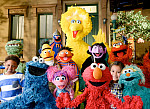 November 10, 1969 Sesame Street debuts on American public television. Many of the lessons are taught with songs, and in later seasons, musicians drop by to help out: Stevie Wonder, James Taylor, Ray Charles, Dixie Chicks and Alicia Keys are among the many to appear on the show. The two big names that turn down offers: Bruce Springsteen and Barbra Streisand.More
November 9, 1969 Sandra Denton (aka Pepa of Salt-N-Pepa) is born in Kingston, Jamaica. She spends her childhood in Queens, New York, and Logan, Utah. She meets Cheryl "Salt" James, a fellow nursing student, while they both work as customer service reps at Sears. Their big breakthrough is "Push It," a hip-hop club banger that everyone thinks is about sex but is really about dancing.
November 5, 1969 In San Francisco, Crosby, Stills, Nash & Young record "Woodstock," a song Joni Mitchell, who didn't attend, wrote about the festival.
October 18, 1969 Promoter Richard Nader puts on the first "Rock and Roll Revival" concerts, with performances by Chuck Berry, The Coasters, The Shirelles, Sha Na Na and Bill Haley. Held at Madison Square Garden's Felt Forum, the two shows sell out, leading to a series of similar concerts and the emergence of the "oldies" format.More
October 12, 1969 Russ Gibb, a DJ at WKNR in Detroit, takes a call from a listener who tells him that if you play The Beatles song "Revolution 9" backwards, a voice says, "Turn me on, dead man." Gibb plays the record in reverse on the air, and the phone lines light up with astonished listeners offering more clues as to why Paul McCartney might be dead. For about a week, Gibb entertains a stream of rumors on the show, as ratings explode and the story goes national. Other clues include a voice at the end of "Strawberry Fields Forever" that says "I Buried Paul" (actually John Lennon saying "Cranberry Sauce") and the cover of the Sgt. Pepper album, where Paul is wearing an armband that says "OPD" - "Officially Pronounced Dead."
October 11, 1969 Muddy Waters is severely injured in a car crash just outside Chicago that leaves three other passengers dead. Waters will remain absent from music for about a year, and will rarely stand up on stage again.
September 6, 1969 Dance-pop singer Cecelia "CeCe" Peniston is born in Dayton, Ohio. Raised in Phoenix, Arizona, she becomes an overnight sensation when she releases the '90s club jam "Finally," based on a poem she wrote about finding Mr. Right.
August 24, 1969 John Lennon writes, rehearses, and records a song about his recent heroin withdrawal entitled "Cold Turkey," where he also puts into practice his recent introduction to "primal scream" therapy. Fans and critics are shocked and appalled by the emotionally raw recording, a prelude to his eventual Plastic Ono Band album.
August 19, 1969 Crosby, Stills and Nash appear on the Dick Cavett Show, giving a first-hand account of the Woodstock festival that took place over the weekend. Joni Mitchell, who skipped the festival to make sure she could keep her appearance on the show, performs a song she wrote about it called "Woodstock."
August 16, 1969 It's Day 2 of Woodstock, featuring performances by the Grateful Dead, Creedence Clearwater Revival, Janis Joplin and Santana. One memorable moment comes during The Who's set, when the activist Abbie Hoffman interrupts their set and grabs the microphone. After saying a few words about fellow activist John Sinclair, Pete Townshend hits him with his guitar.
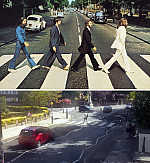 August 8, 1969 The Beatles shoot the photo for their Abbey Road album cover at the crosswalk outside Abbey Road studios, where they are recording. Fans find many nested clues in the shot of the four band members walking in stride across the street, fuelling rumors that Paul McCartney is dead.More
July 28, 1969 Eight days after the moon landing, "Bad Moon Rising" by Creedence Clearwater Revival reaches its chart peak of #2. The song was inspired by a 1941 movie called The Devil And Daniel Webster, about a hurricane that blows through a town.
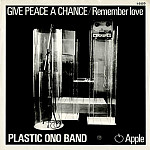 June 1, 1969 John Lennon and Yoko Ono record "Give Peace A Chance" to close out their "bed-in" in Montreal.More
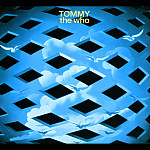 May 23, 1969 The Who release their album Tommy, a rock opera about a deaf, dumb and blind boy who plays a mean pinball.More
 April 10, 1969 Serge Gainsbourg and Jane Birkin's steamy duet "Je T'aime... Moi Non Plus" hits #1 in the UK, where it's banned by the BBC.More
March 6, 1969 Sandie Shaw is "arrested" in Paris for being dressed up like a French policeman. The English singer is released a few hours later after she'd explained she'd had gone to France to promote her new record, "Monsieur Dupont," about a French romeo.
 February 15, 1969 Rolling Stone's front cover features an article on "groupies" - introducing a new term to the popular lexicon.More
 January 30, 1969 The Beatles stage their famous rooftop concert on the roof of Apple Records in London. After performing a few songs, including "Get Back" and "Don't Let Me Down," the police shut them down as a large crowd gathers. It is The Beatles' last public performance.More
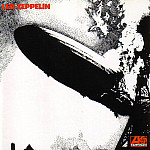 January 12, 1969 Led Zeppelin's self-titled debut album is released in America.More
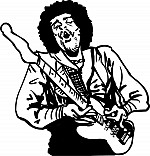 January 4, 1969 Jimi Hendrix is banned from the BBC after going off-script when he and his band, The Jimi Hendrix Experience, appear on the show Happening for Lulu, hosted by the "To Sir With Love" singer Lulu.More
 December 28, 1968 Joni Mitchell, Fleetwood Mac, Steppenwolf and the Grateful Dead, land in Hallandale, Florida's Gulfstream Park to entertain 100,000 fans at Miami Pop Festival II, the East Coast's first major rock festival.More
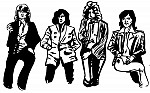 December 26, 1968 Led Zeppelin's first US tour begins in Denver. They're the opening act for Vanilla Fudge.More
December 14, 1968 Marvin Gaye's "I Heard It Through The Grapevine" hits #1 in the US, where it stays for seven weeks. The song was recorded by a few different Motown acts before a version by Gladys Knight & the Pips was finally released, reaching #2 in 1967. Gaye's version, released about a year later, became an even bigger hit and the definitive rendition.
©2026 Songfacts®, LLC